The Brite Experience
Brite is an online, interdisciplinary science, technology, engineering and mathematics (STEM) program for girls ages 13 to 16 designed to foster STEM identity, spark curiosity and creativity, and build a community. Serving as a BRITE educator during the Summer 2024 program in Nashville, TN was one of the most meaningful educational experiences I’ve had. Working with a small cohort of middle school girls allowed me to step into a role that blended education, mentorship, and community-building in a deeply personal way.
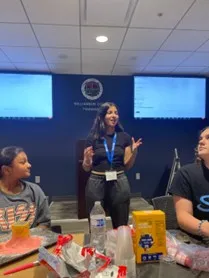
Because our group was relatively small - about 10 to 12 participants - I naturally took on a near-peer mentor role alongside my responsibilities as an educator. The program’s hybrid format, which combined in-person sessions with Zoom meetings, helped create consistency and flexibility while ensuring the girls felt supported and engaged throughout the summer. We met multiple times a week for several hours a day, which allowed strong relationships to form over time.
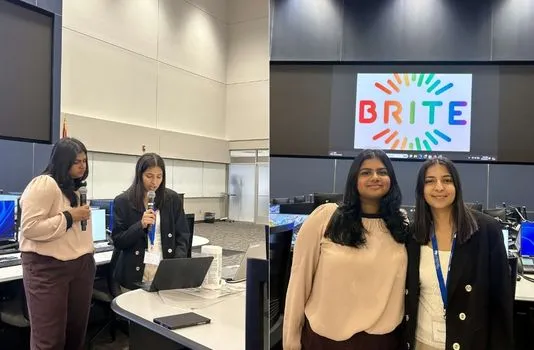
In leading this program, I worked closely with my co-educator, Michele. I am incredibly grateful for the guidance of our 4-H mentor, Ms. Jennifer Stockdale—an attorney for over 20 years and a Tennessee 4-H youth educator for more than three decades. Her guidance ensured the program ran smoothly, allowing us to focus on creating a meaningful experience for the students.
Creating a Safe and Supportive Learning Community
One of our primary goals was to build a space where students felt comfortable participating - whatever that looked like for them. Daily icebreakers played a key role in this. They encouraged vulnerability, sharing, and connection, helping the girls feel like they were part of a conversation rather than sitting in a classroom.
Through this experience, I learned that participation doesn’t always look the same. Some students were outgoing and eager to speak, while others were more introverted and preferred listening. Recognizing and respecting these differences helped me grow as an educator. One moment that truly stayed with me was when a student with a short attention span became noticeably more engaged after we intentionally asked for her thoughts during a lesson. That small effort made her feel seen and included - and it’s an approach I continue to use in my workshops today.
Representation, Role Models, and Hands-On Learning
A major focus of the curriculum was representation in STEM. We introduced students to pioneering women such as Ada Lovelace and invited live role models to speak with the group. For many of our participants - especially girls of color - seeing women who looked like them succeed in STEM fields was incredibly powerful and affirming.
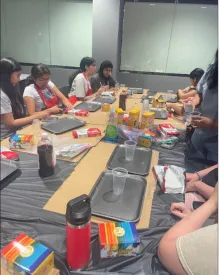
Hands-on activities were another highlight of the program. Projects like building model volcanoes made STEM feel fun, creative, and interactive rather than intimidating. These activities not only kept excitement high but also opened the door to conversations about future careers in healthcare, medicine, and other STEM fields.
Lasting Impact
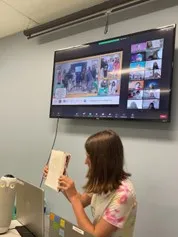
By the end of the program, the girls were more open, talkative, and supportive of one another. Some of the quieter students began volunteering to speak during live sessions - sometimes with a little encouragement - and the overall group dynamic became more confident and connected.
Several participants expressed interest in pursuing careers in medicine, healthcare, or STEM-related fields, showing genuine reflection on their futures. Ultimately, the impact of BRITE extended beyond content knowledge. The girls weren’t just learning STEM - they were building confidence, forming community, and becoming curious about the possibilities ahead.
Being a BRITE educator showed me that effective education goes beyond sharing information - it’s about mentorship, representation, and creating spaces where students see themselves as capable leaders. Tools like the BRITE Educator Guide, developed by the inspiring NGCP Brite Team, make this possible. This experience also helped clarify my own interests through supporting girls in STEM - ambitions I now carry with me as a sophomore at Belmont University in Nashville, TN. I’m excited to continue building inclusive STEM learning environments and supporting the next generation of leaders.
In this webinar recording, Dr. Roxanne Hughes, Associate Professor in Science Education at Florida State University, shares research findings from the Brite program, and the Brite team walks through six Brite Practices that educators and program leaders can integrate into their own programming.

Reeva Lalani
Reeva Lalani is an award-winning student leader in Nashville, TN passionate about advancing STEM access and health education for girls and underrepresented communities. She has led and facilitated anatomy and health-focused programs, earned statewide recognition through competitive science and leadership initiatives like the Anato-Bee, and been featured for her work in community engagement. Reeva is especially interested in the intersection of healthcare, education, and leadership, and is committed to building inclusive learning environments that empower the next generation of women in STEM.
Programs and Initiatives
